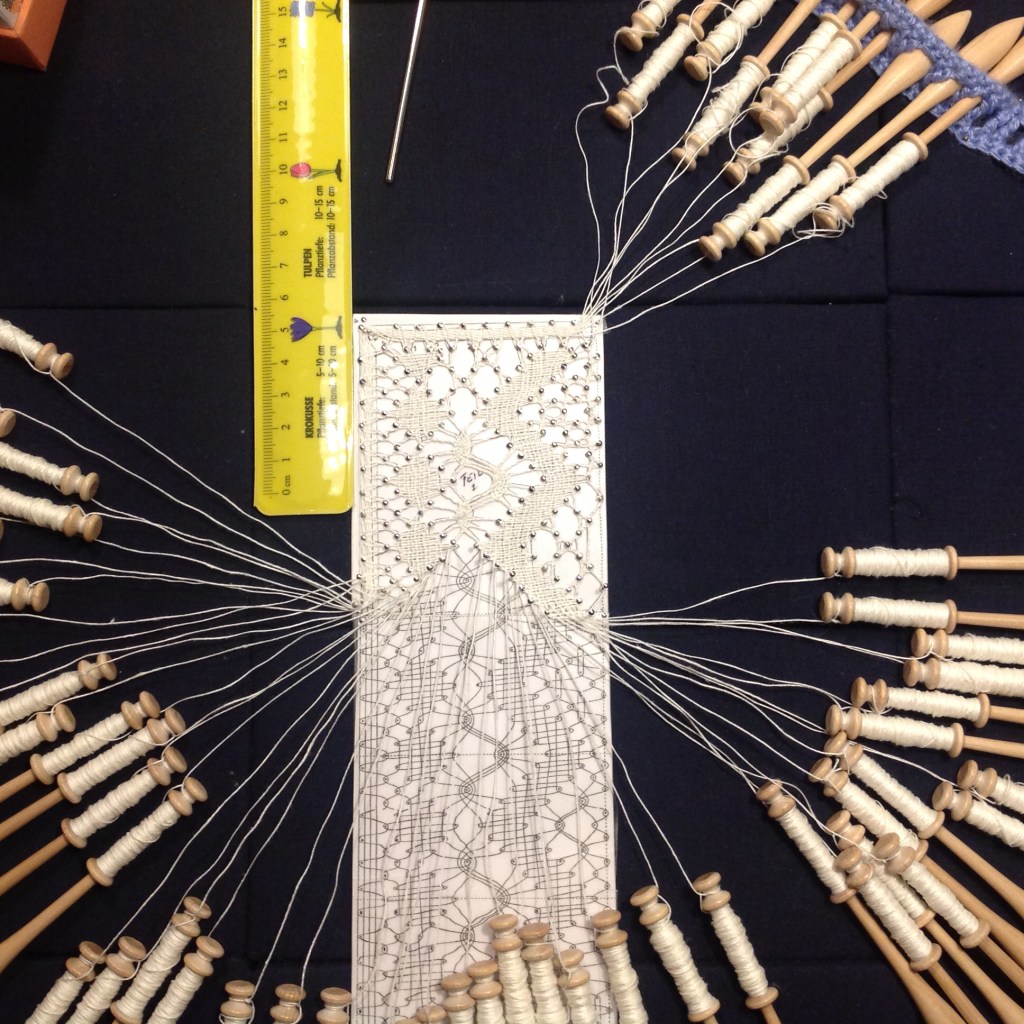
Unfortunately, there is no way getting around the fact that Bobbin-Lace requires many hours of practice before you get close to making anything you’d want to display. The first several Bobbin-Lace projects I did were purely for practice. I still have them hidden away in a binder somewhere.
I strongly recommend attending classes to learn the basics of bobbin-lace making. This is not an intuitive handicraft, at least not for me, it wasn’t. It sounds deceptively easy – a handicraft based on three basic types of stitches or weaves: full stitch, half stitch, and linen stitch. Unfortunately, that is not the case. When you attend a bobbin-lace class, you’ll first be taught how to wind the thread on the bobbin! What seems so intuitive is suddenly something you have to think about … which way do I wind it???
And, once you’ve got the basics down, there is an entire world of different types of lace you can make: Torchon, Chantilly, Duchesse, Milanese, Russian, etc. The list goes on and on and each type of lace has its own special technique and/or thread requirement. This is truly a handicraft hobby that you can spend your life mastering. Unfortunately, it does not provide the quick progress so many of us would like; it takes patience and practice to get good. I’ve been making bobbin lace now for about 8 years and I am just a beginner!
There are many interesting books out there about bobbin-lace making. In Germany, there are several clubs and associations active in exhibitions and offering courses. There are also international clubs and associations out there. I encourage you to do some surfing online. You’d be surprised how this “traditional” craft can produce such modern pieces!
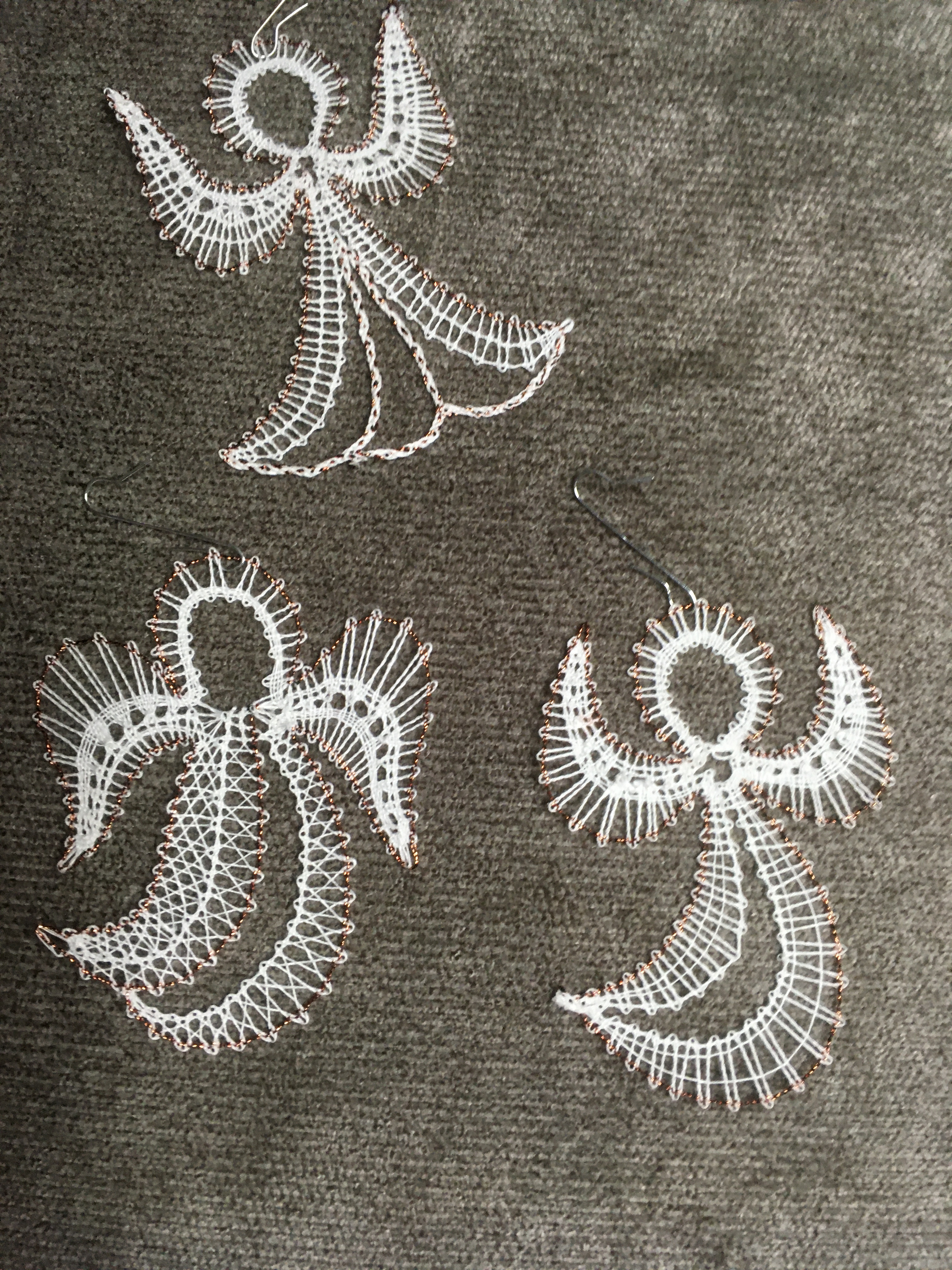
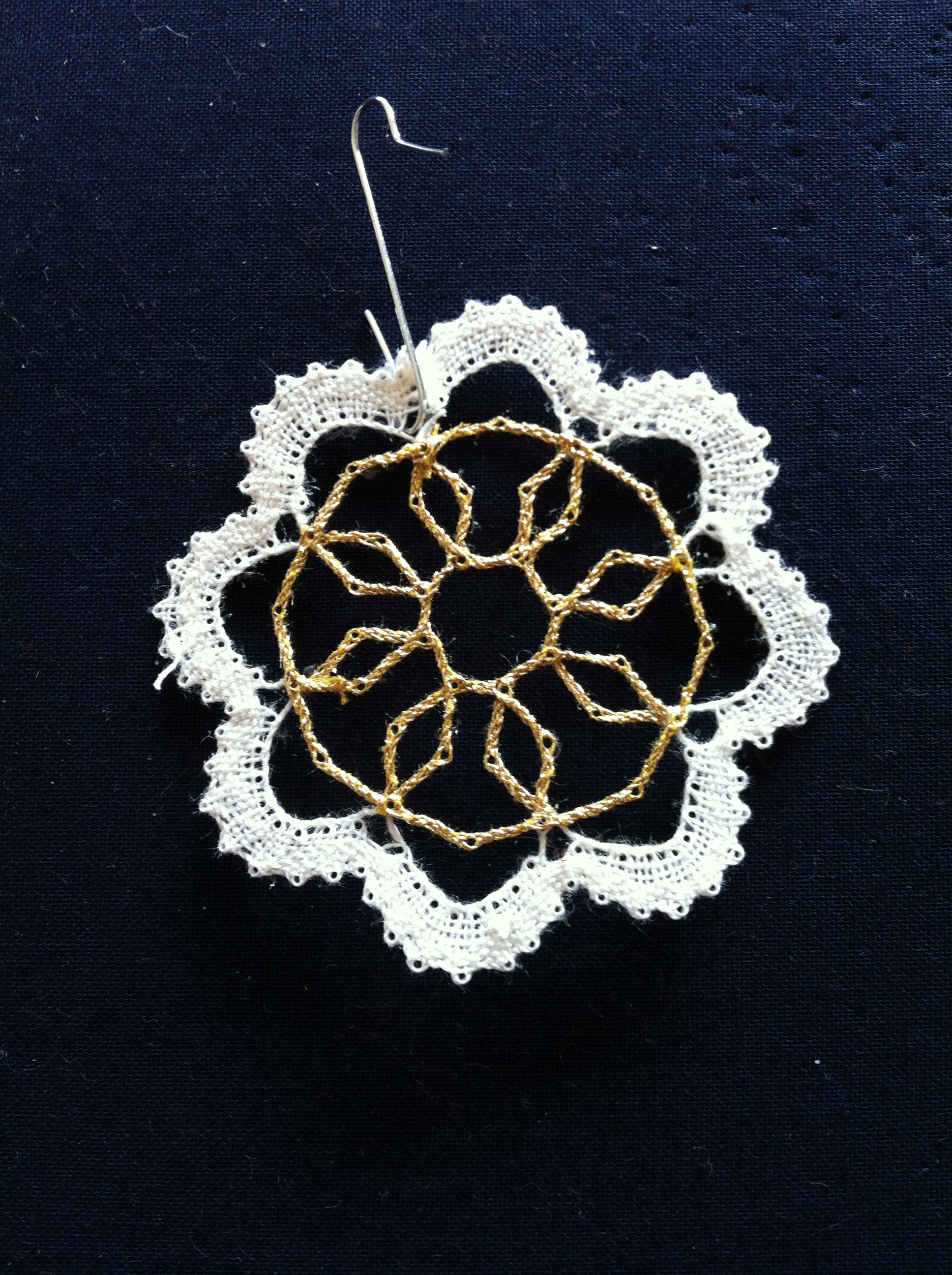

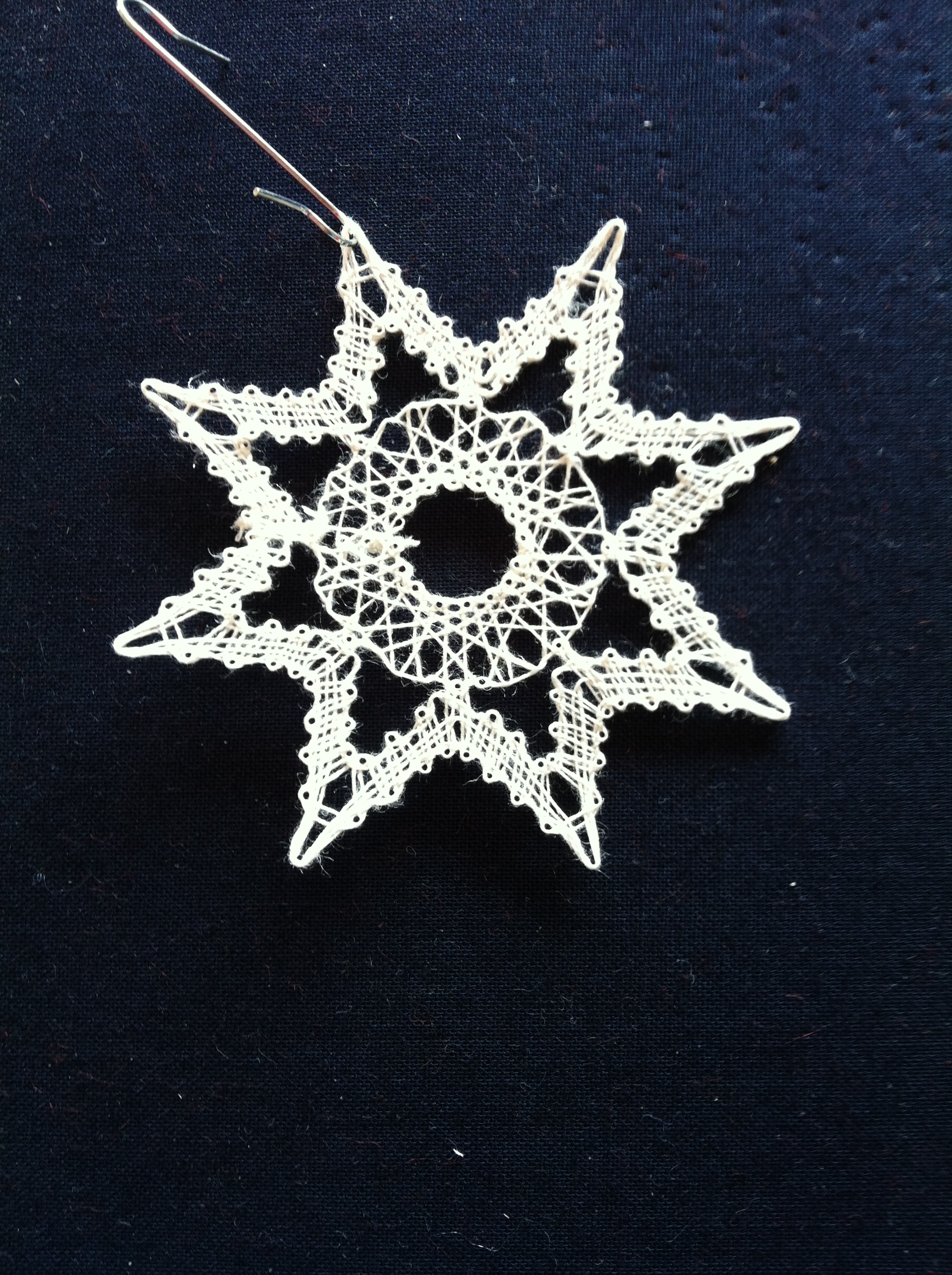

Christmas
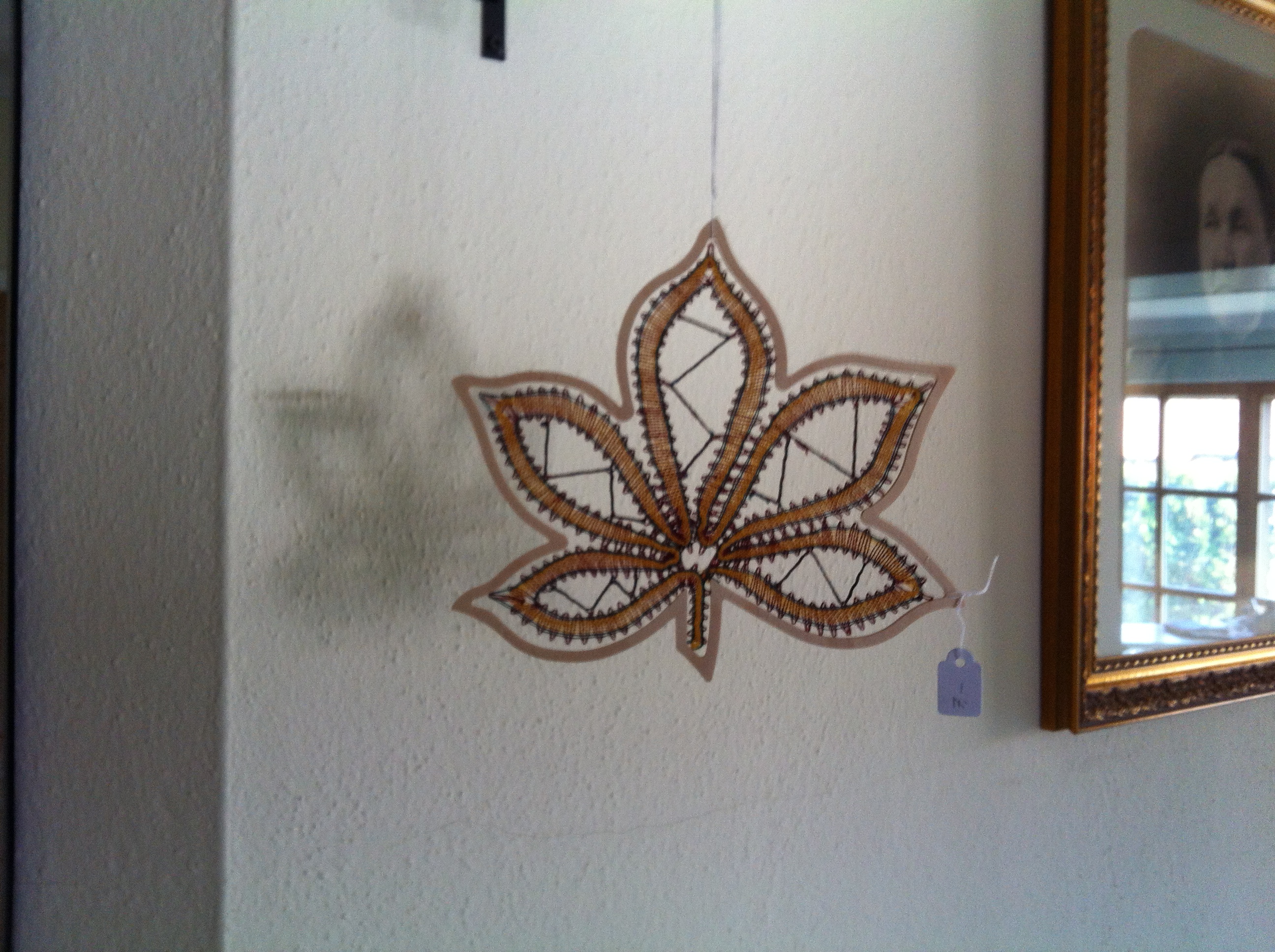
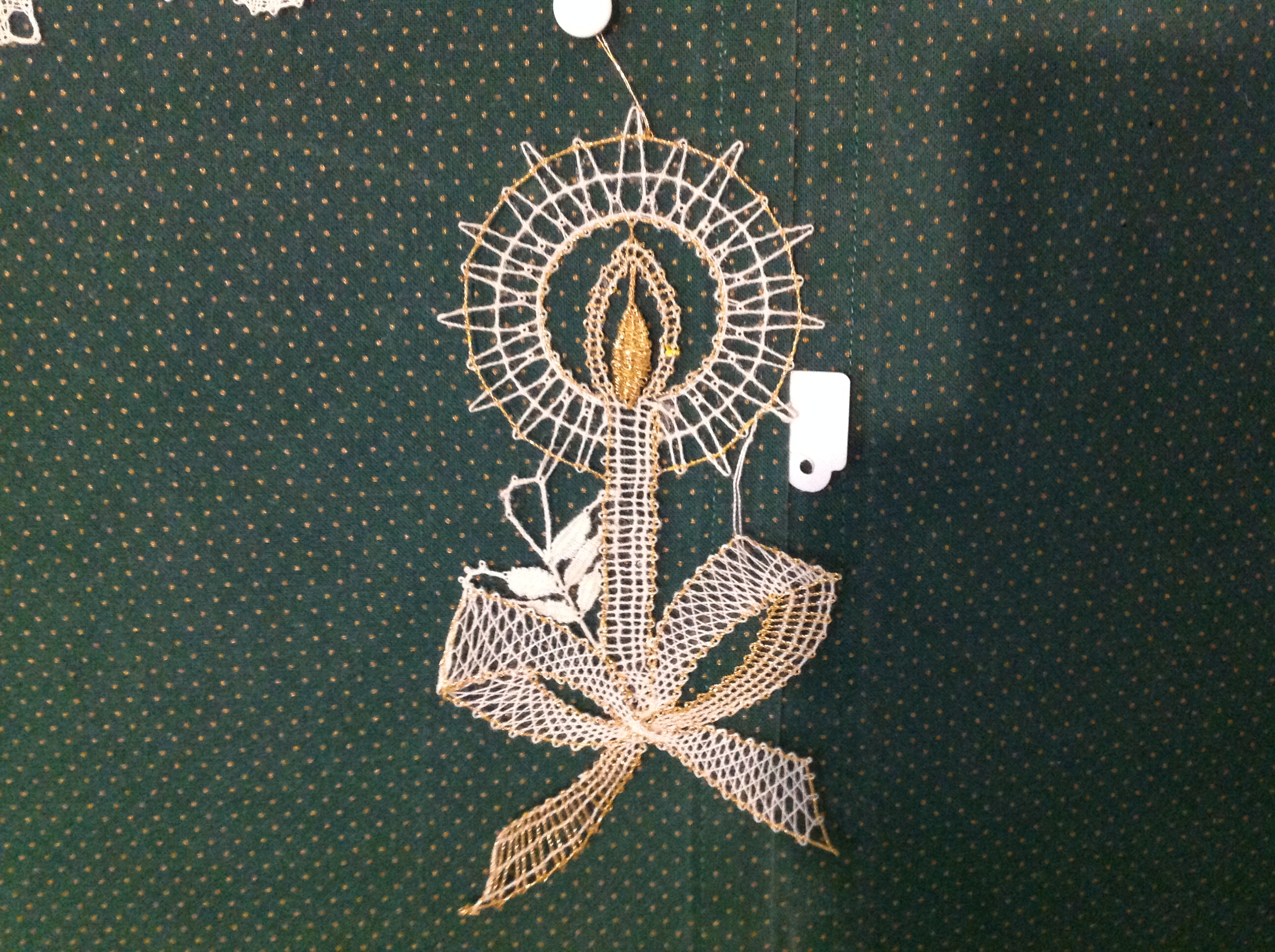
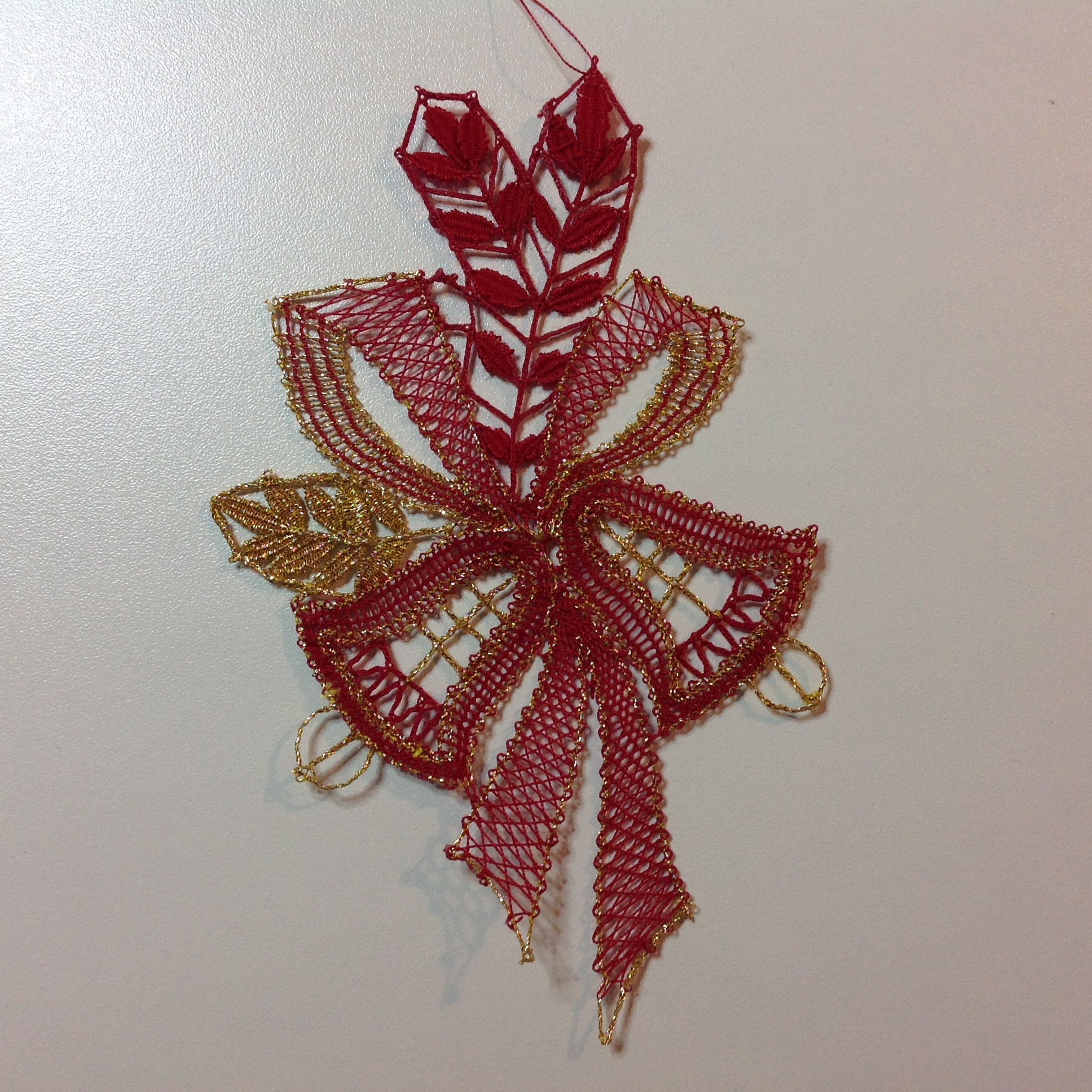
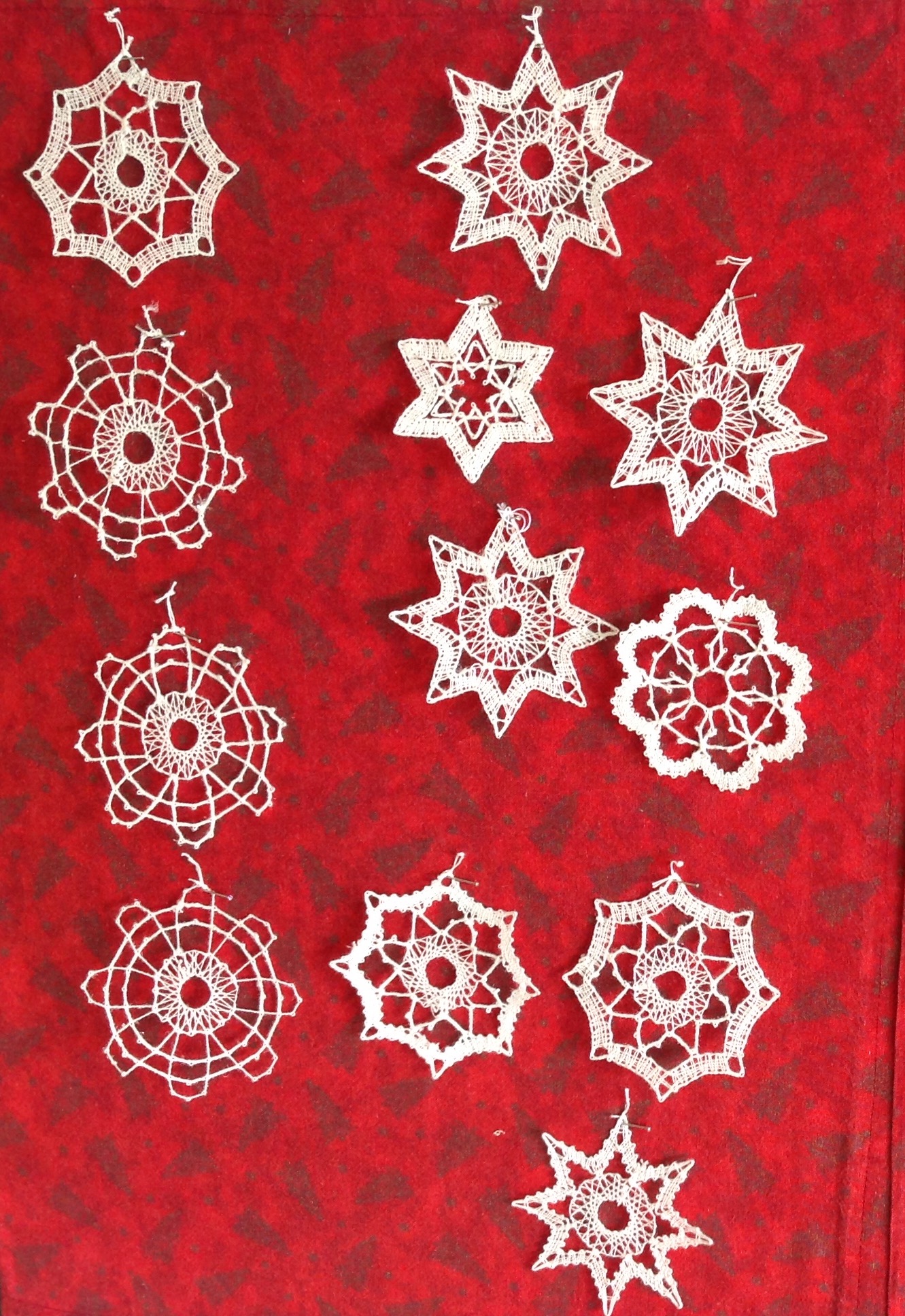
Bobbin-lace is perfect for Christmas decorations! Because it can take quite a long time to finish a bobbin-lace project, small decorations are a good place to start. Above are some Christmas decorations I have made. Not one of the above designs is my own, however. Creating and designing a pattern for bobbin-lace is the top of the game, so to speak. Only after you have been making lace for a while (longer than me), can you graduate to designing your own patterns. Oh sure, you can come up with a design but the difficulty comes in when you try to translate that design into a pattern to be used. It is much more difficult than you would imagine and the people out there who make these patterns deserve every cent they get for their work! If you are interested in any of the above patterns, just contact me and I can point you in the direction of the source of the work.

Doilies and Table Runners
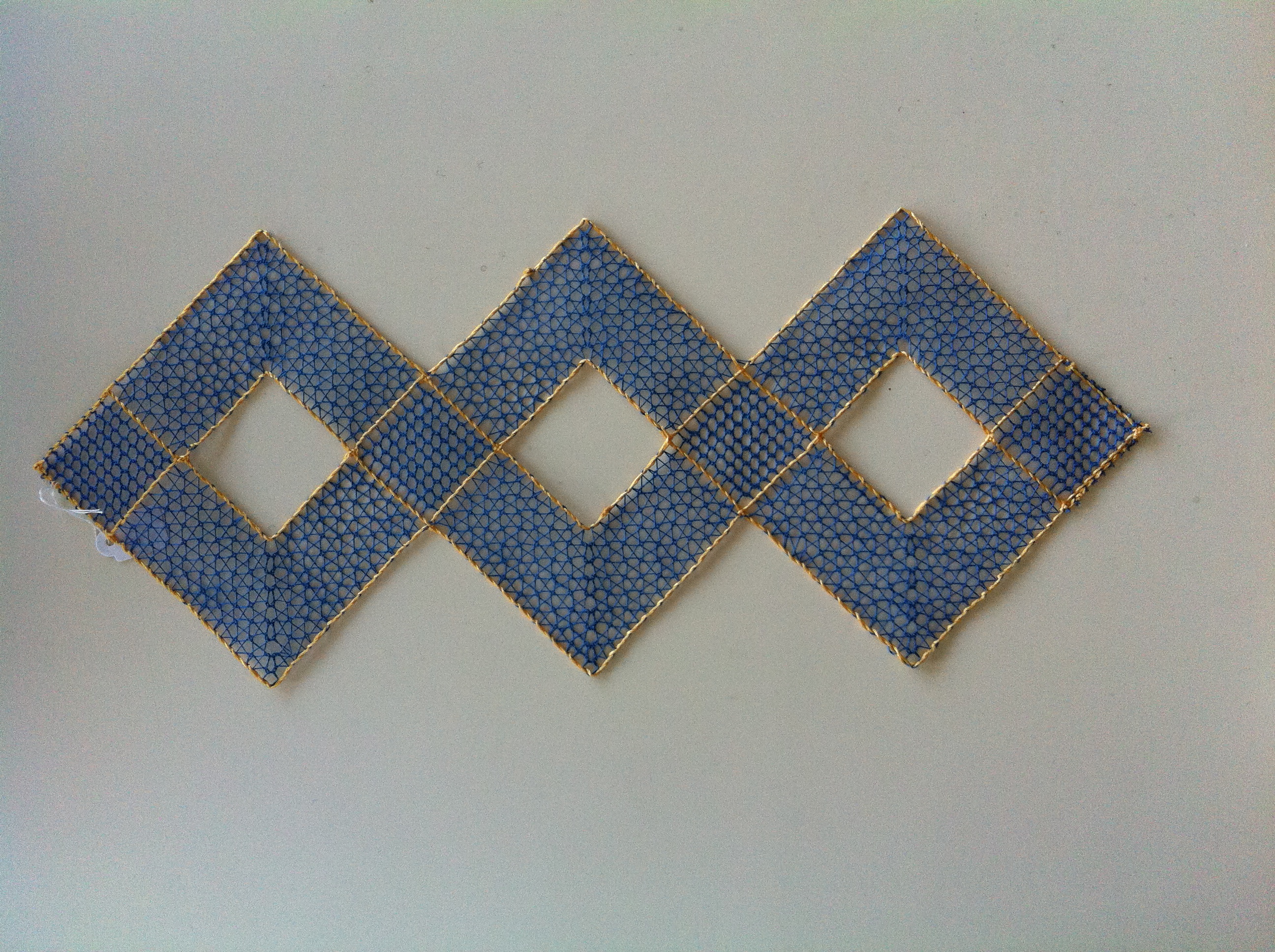
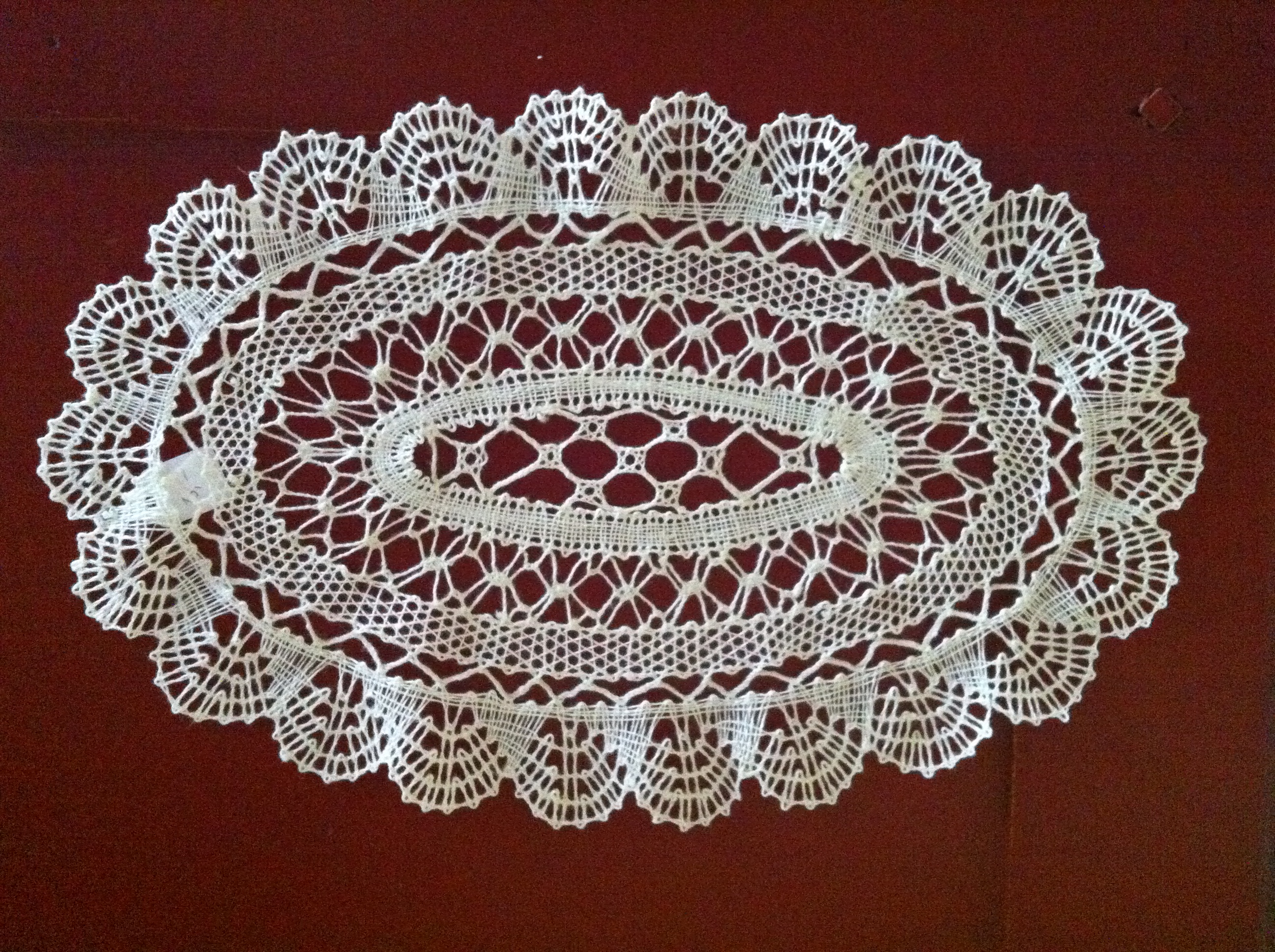
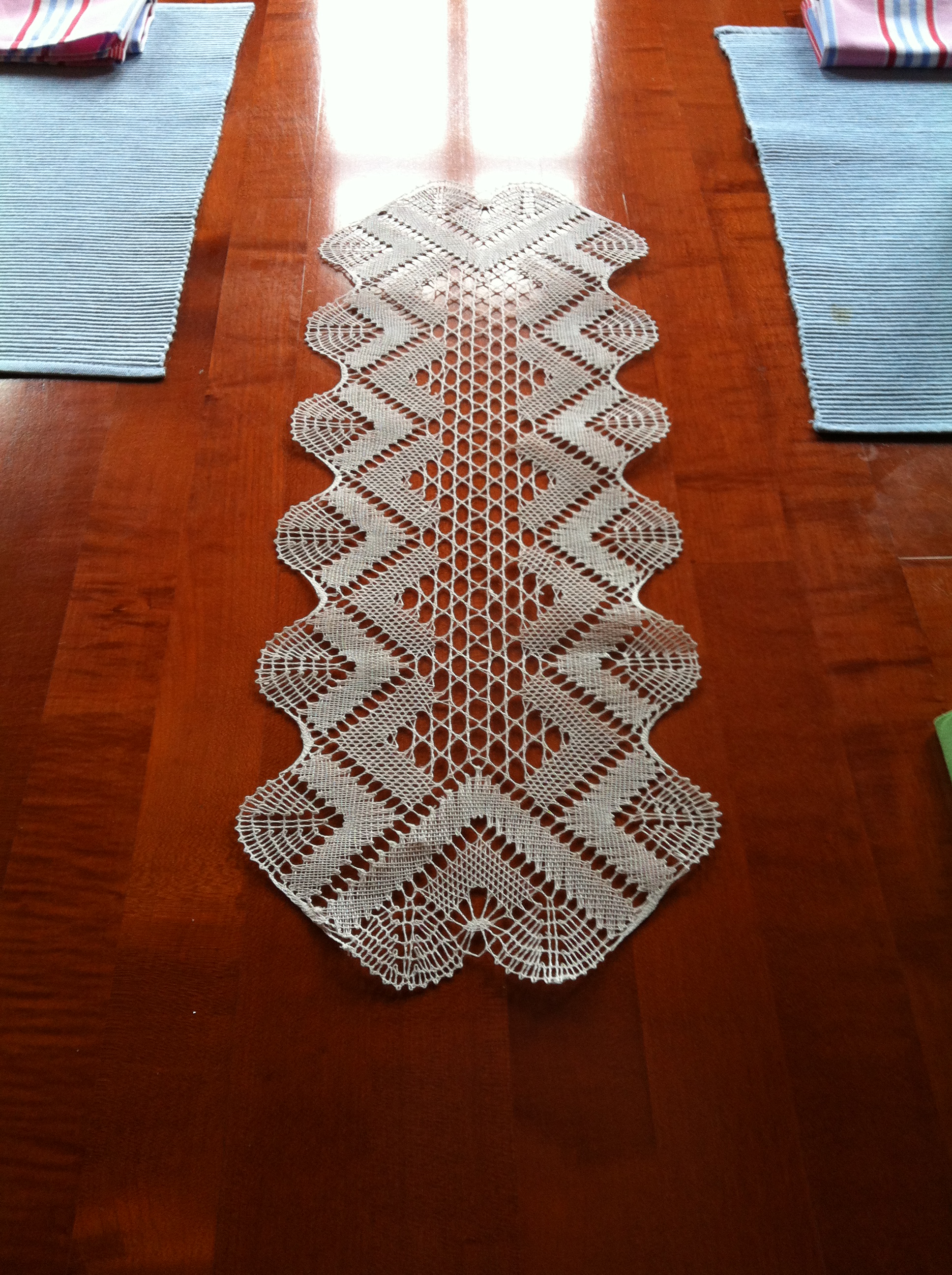
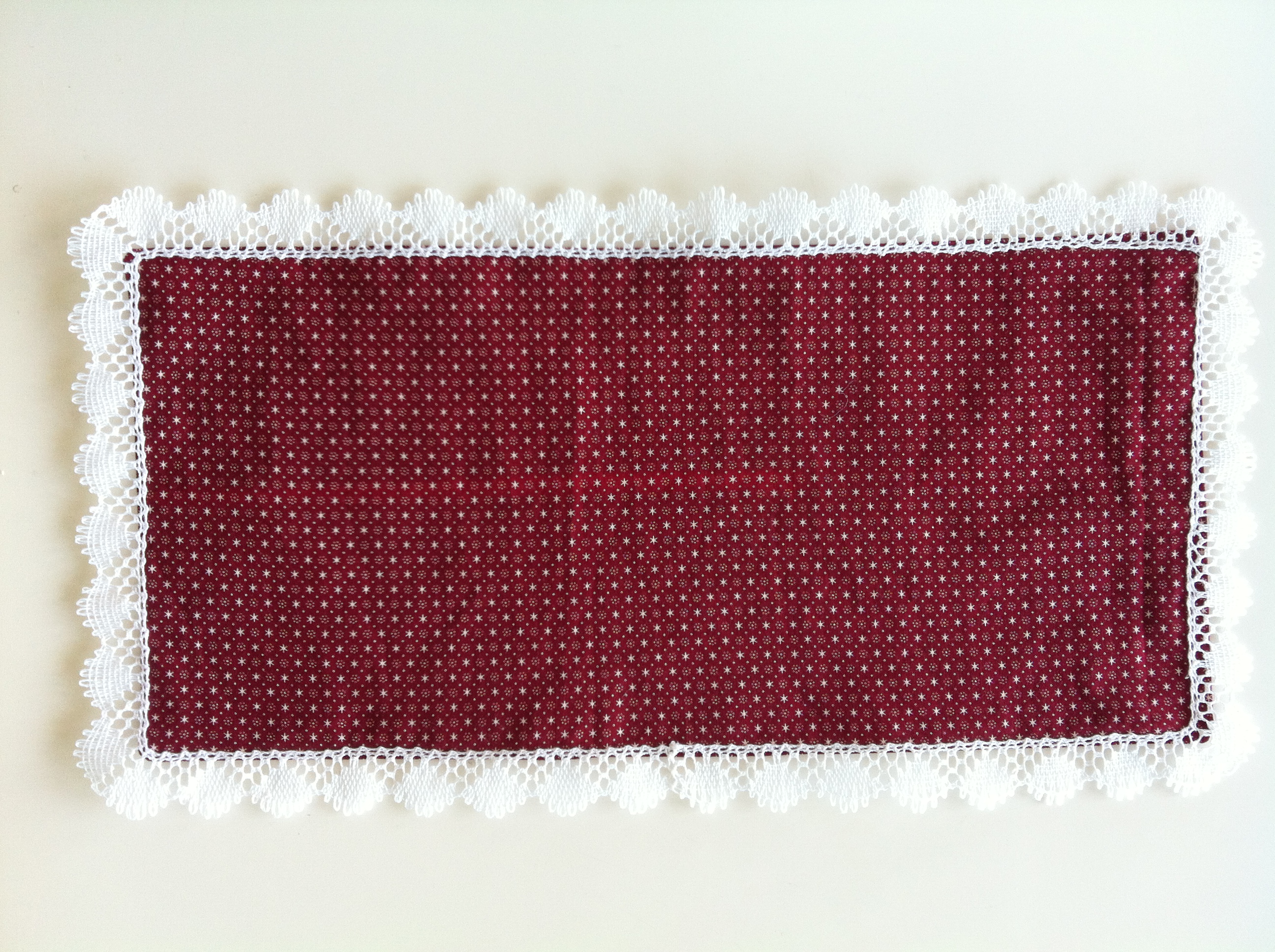
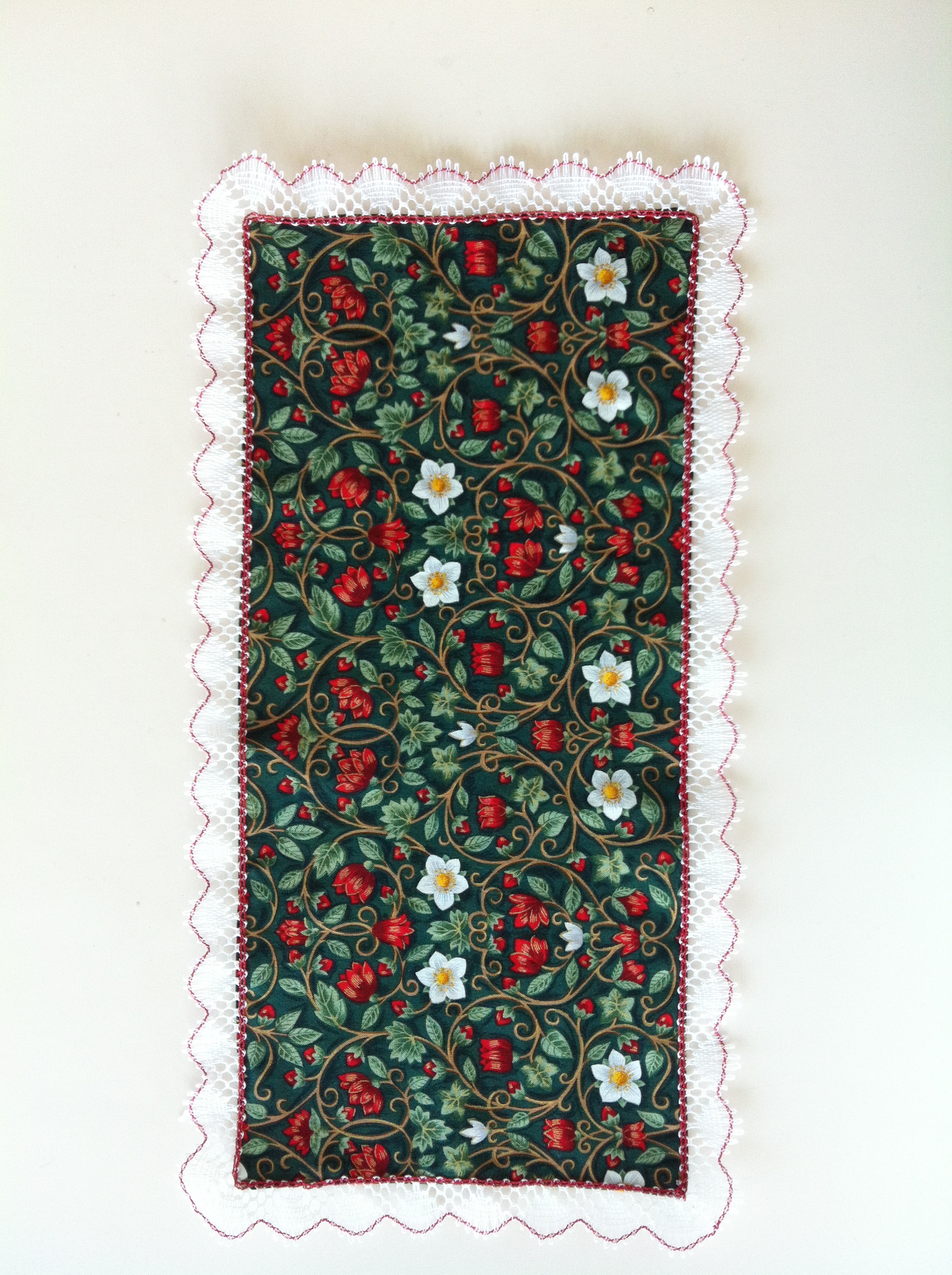
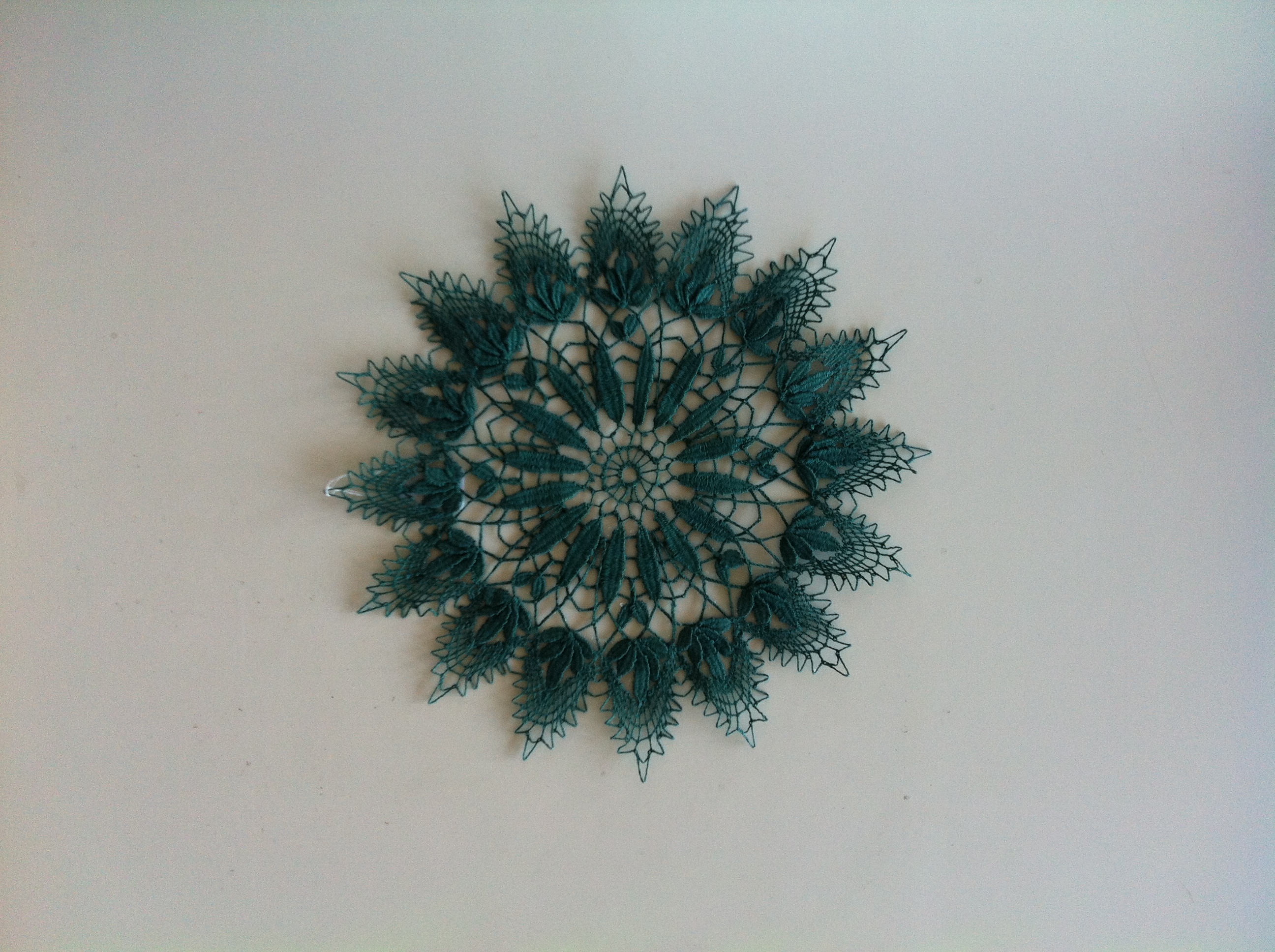
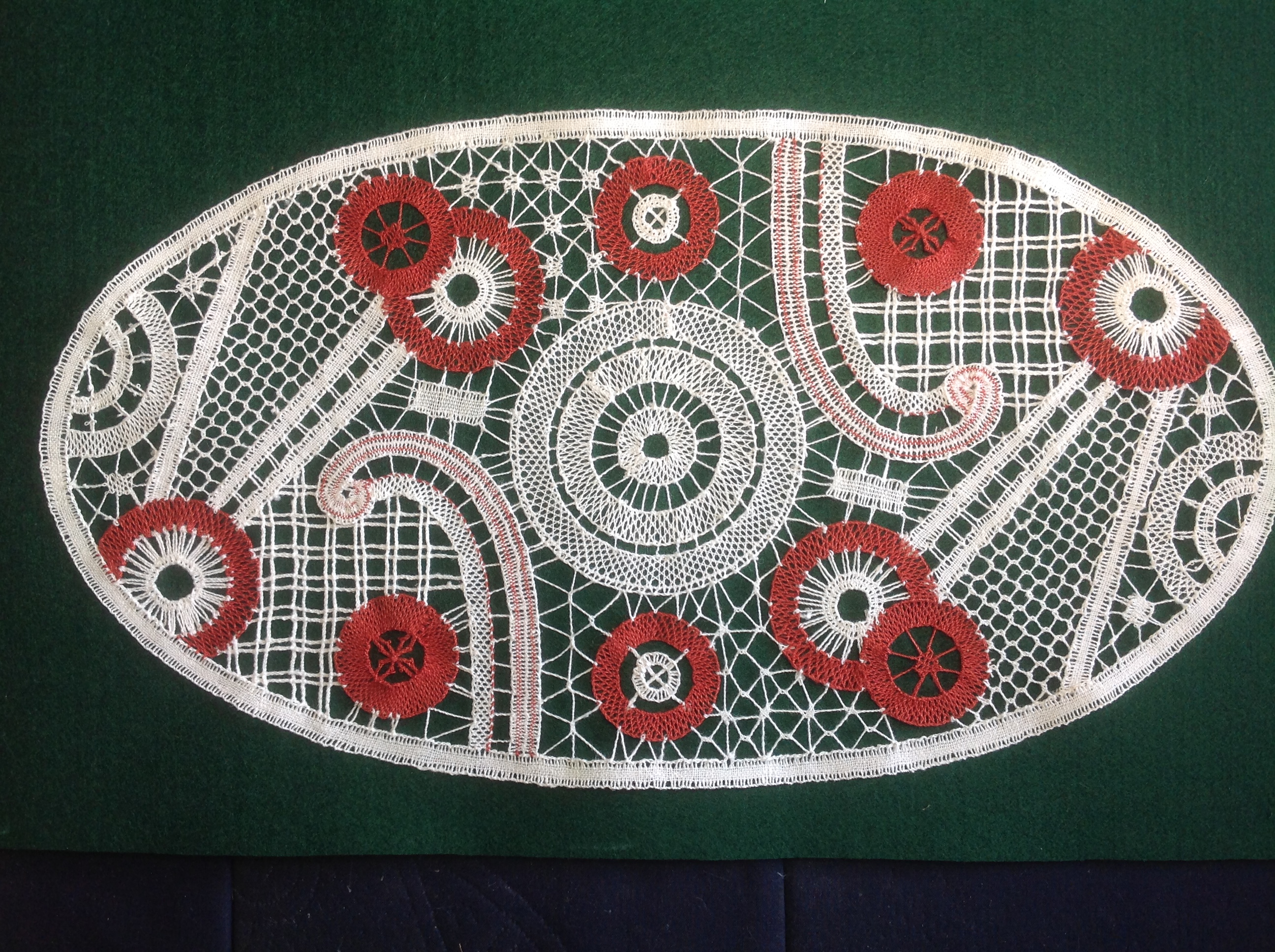
Most people associate bobbin-lace with doiles – you know, those things that used to collect dust on your grandmother’s side tables? Doilies have sort of gone out of fashion, as many things have over the decades. But, bobbin-lace can also be used to make some beautiful table runners. There are so many different patterns and combinations of stitches; the options are almost infinite!
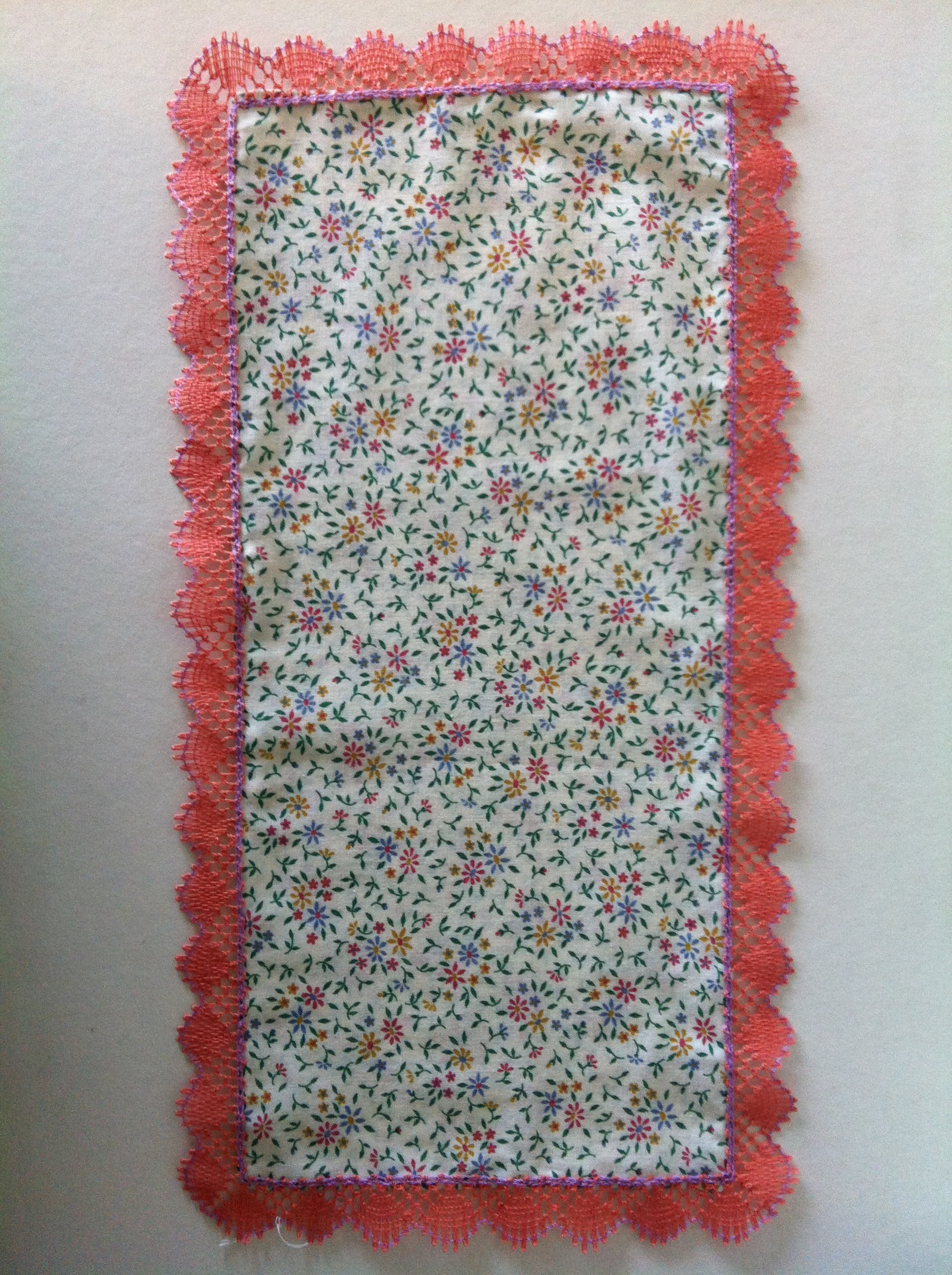
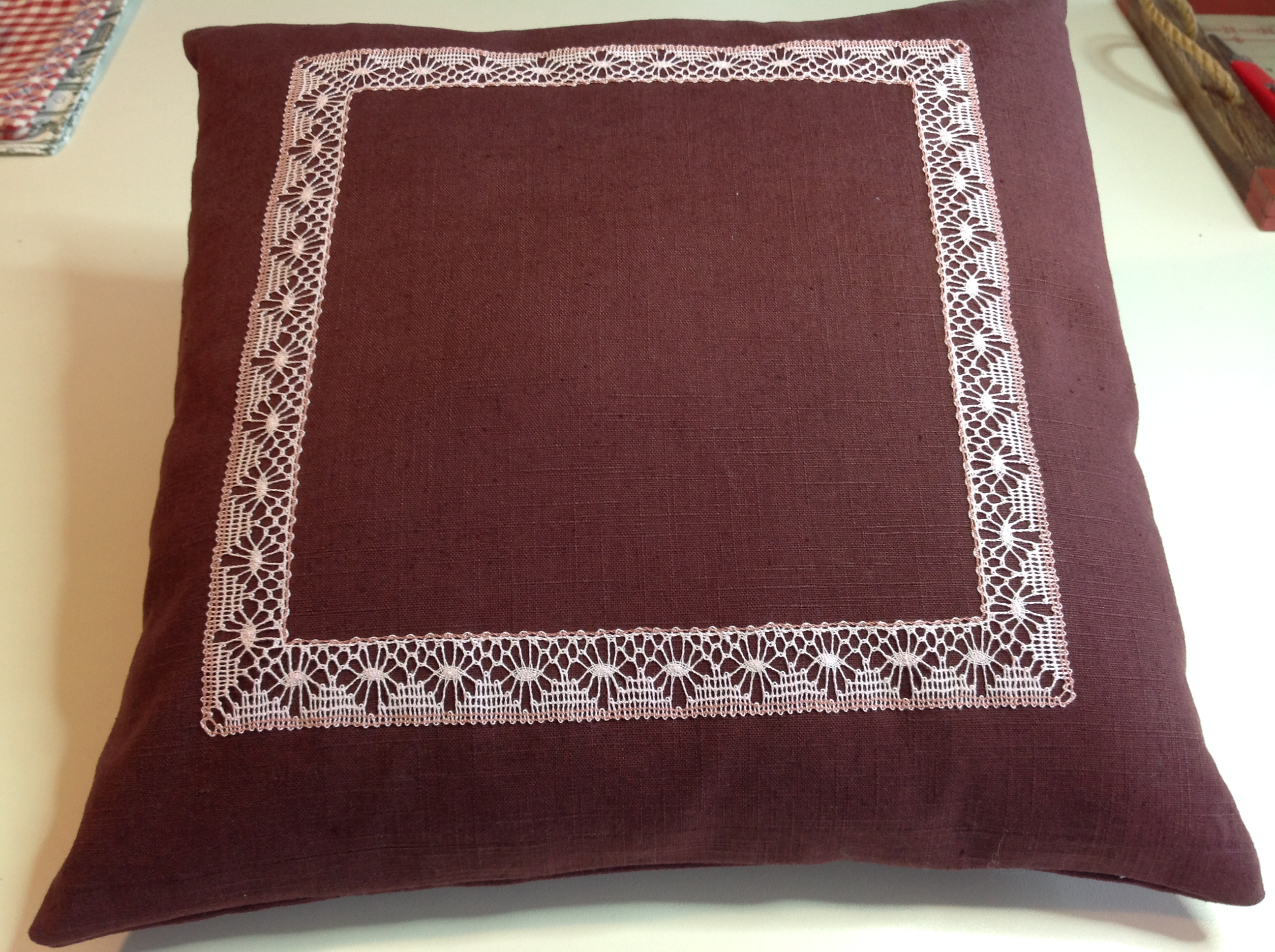
I’ve also used bobbin-lace borders to add a little interest to fabric used for table-runners. Instead of using bobbin-lace for the whole runner, I made the table runner out of fabric and edged it with my own handmade lace! Sure, you could just buy some machine-made lace and sew it on. But, making your own lace allows you to select the color and pattern you want, not just what is available.
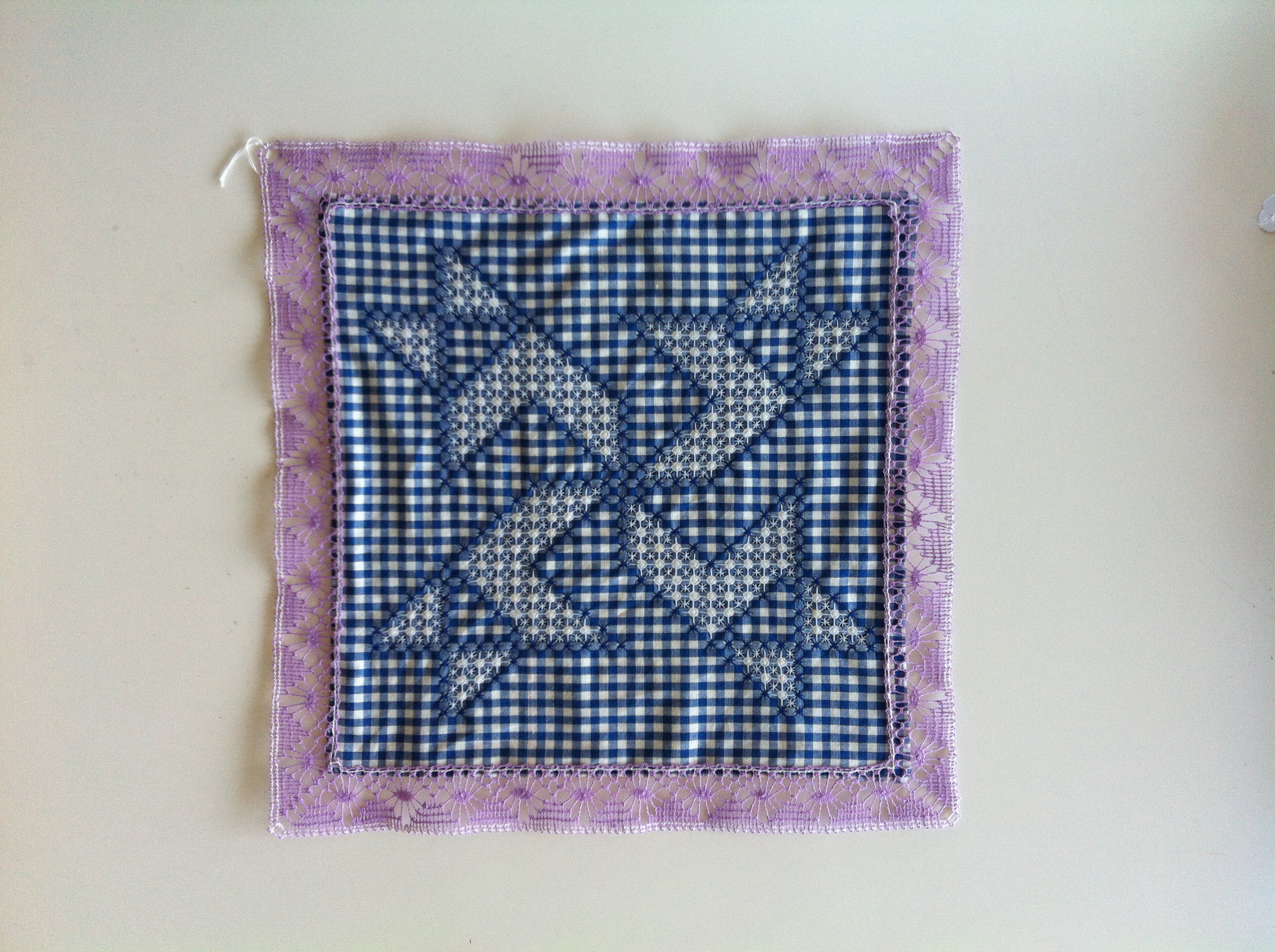
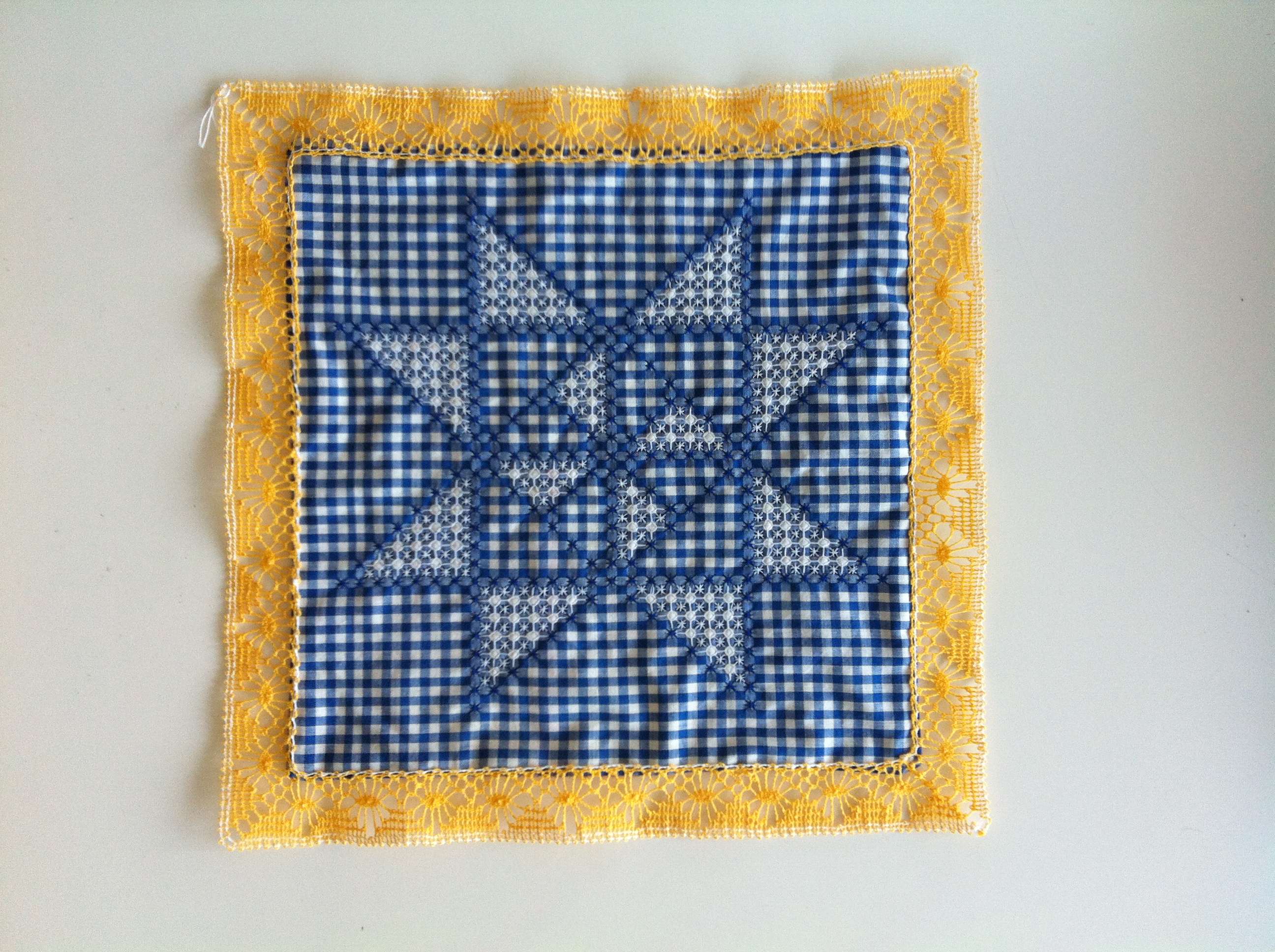
And, finally, I have tried combining bobbin-lace with Chicken Scratch patterns. I wouldn’t say these are the most successful projects but even the not-so-hot results deserve their day in the sun, I’d say!


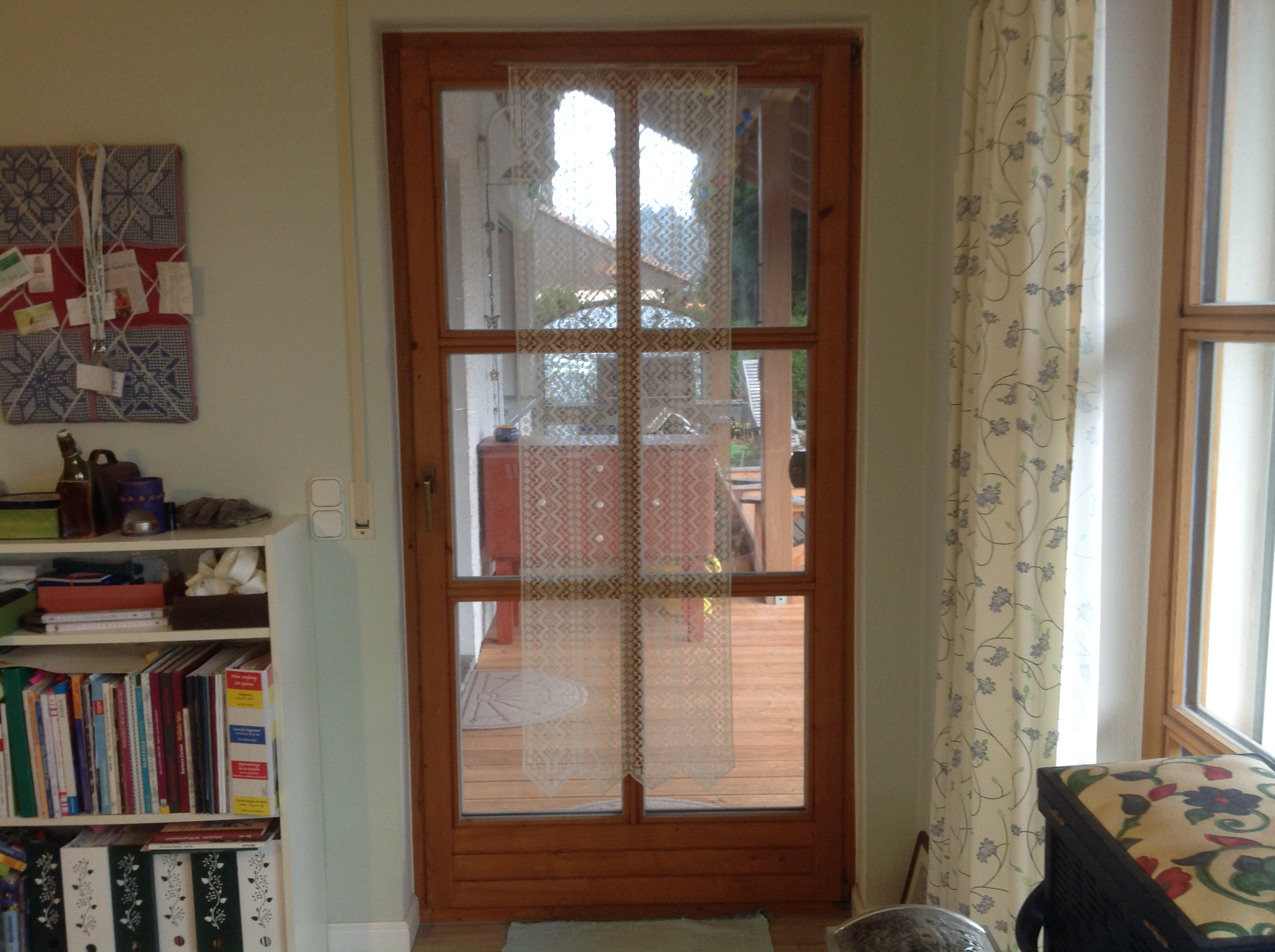

Various Projects
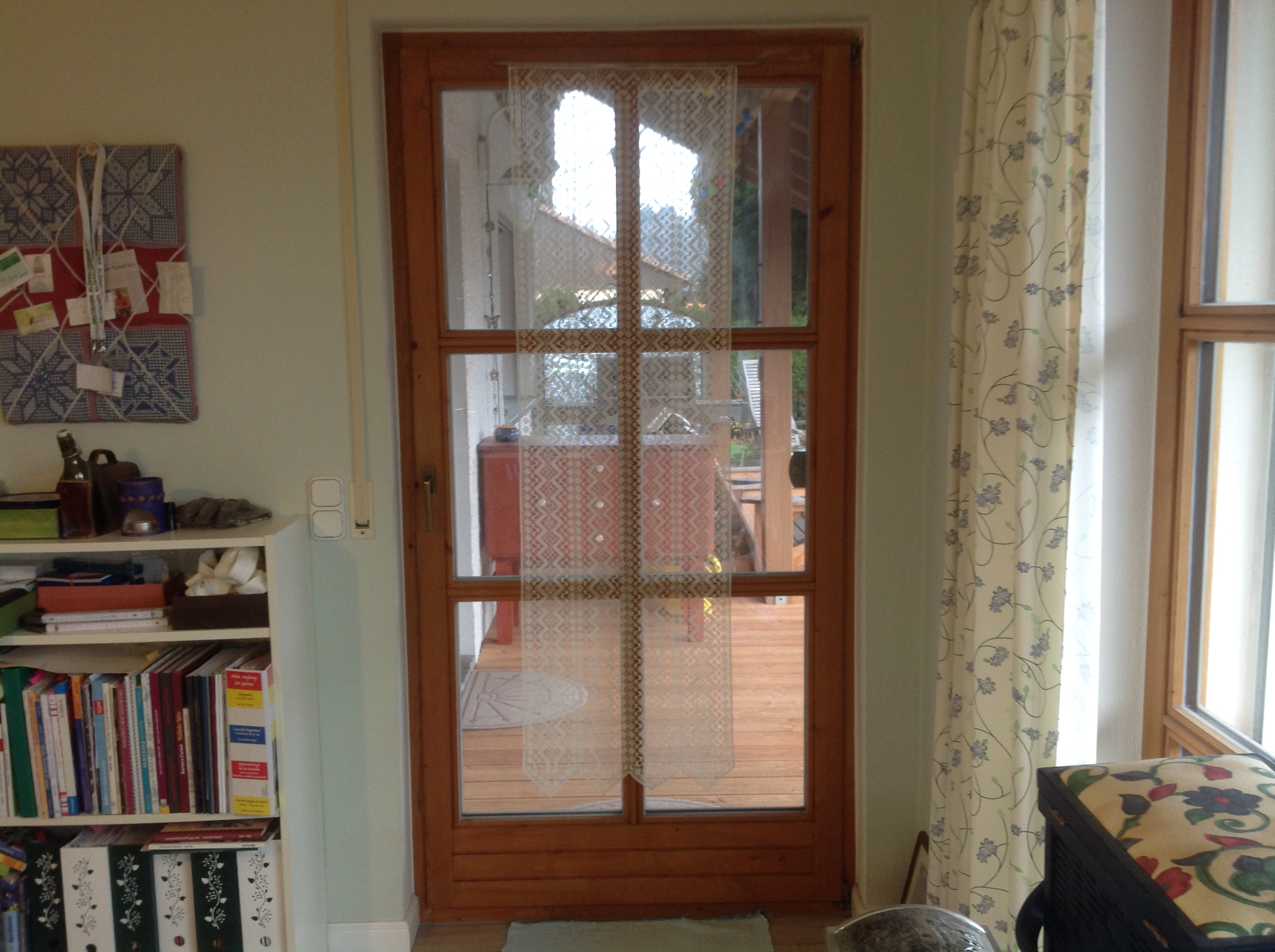
I’ve used bobbin-lace for all manner of home decoration. I have to say that my pride and joy is the curtain hanging on the door in my atelier (see above). Using a pattern by Christine Mirecki, I spent about 1 1/2 years making the curtain. I met Christine at a lace-making event where I had this curtain on display. I remember her being shocked that I had made it so long. Her pattern was intended to be a kind of café curtain (maybe 30-40 cm long). Instead, I made it 175 cm long! Of course, I didn’t work on the curtain full-time for 18 months but rather picked it up and put it down as time allowed.
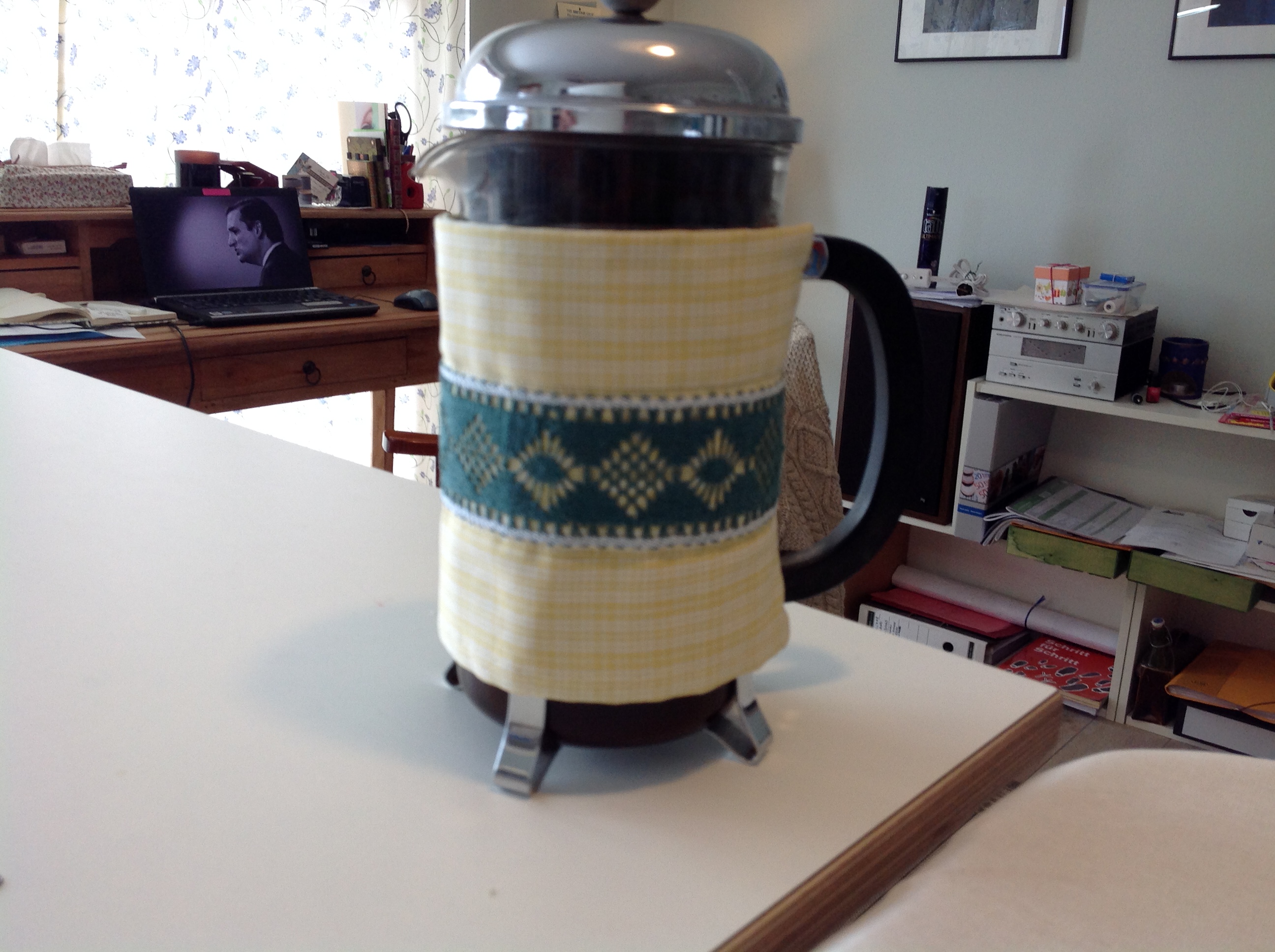
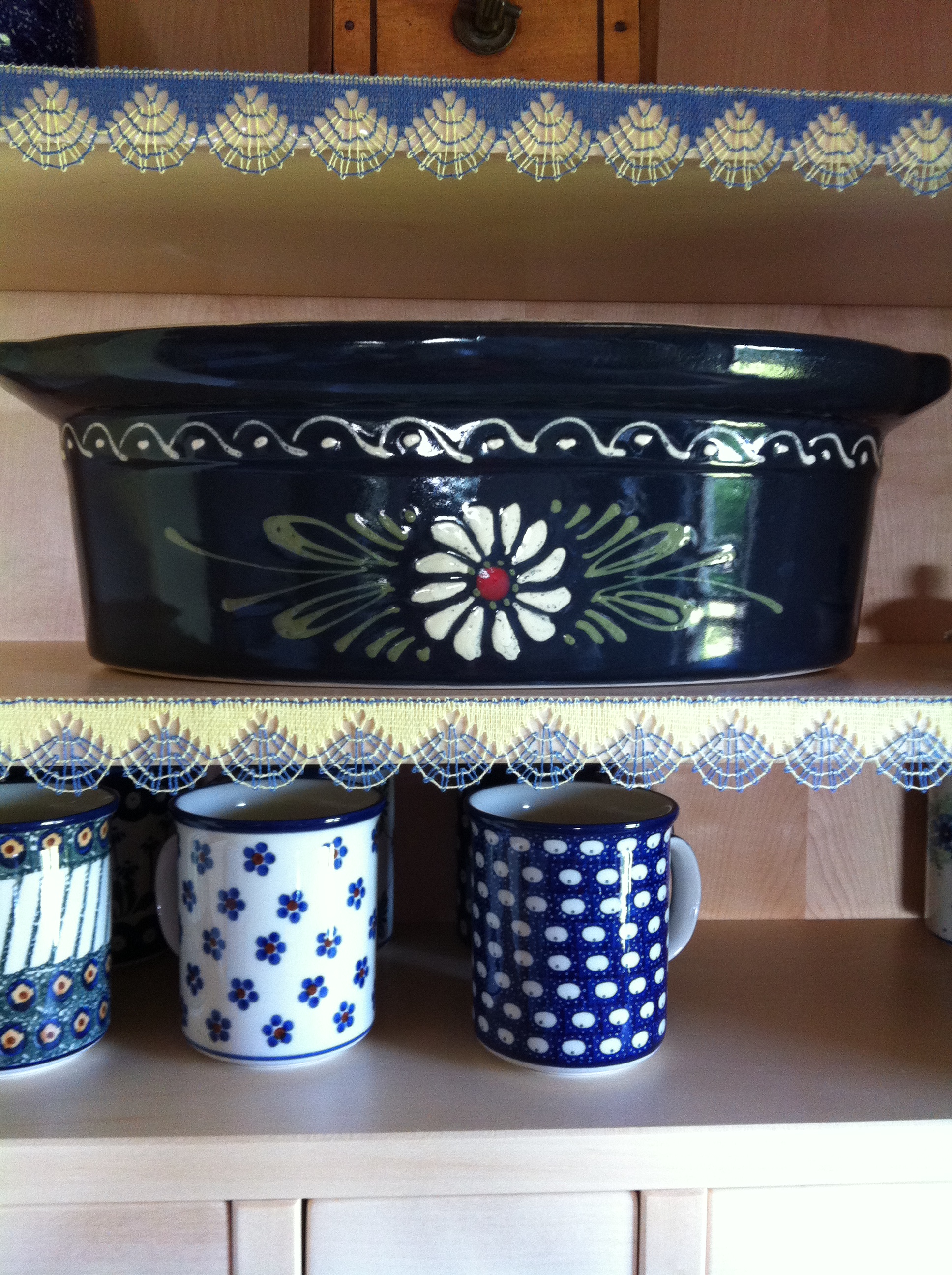
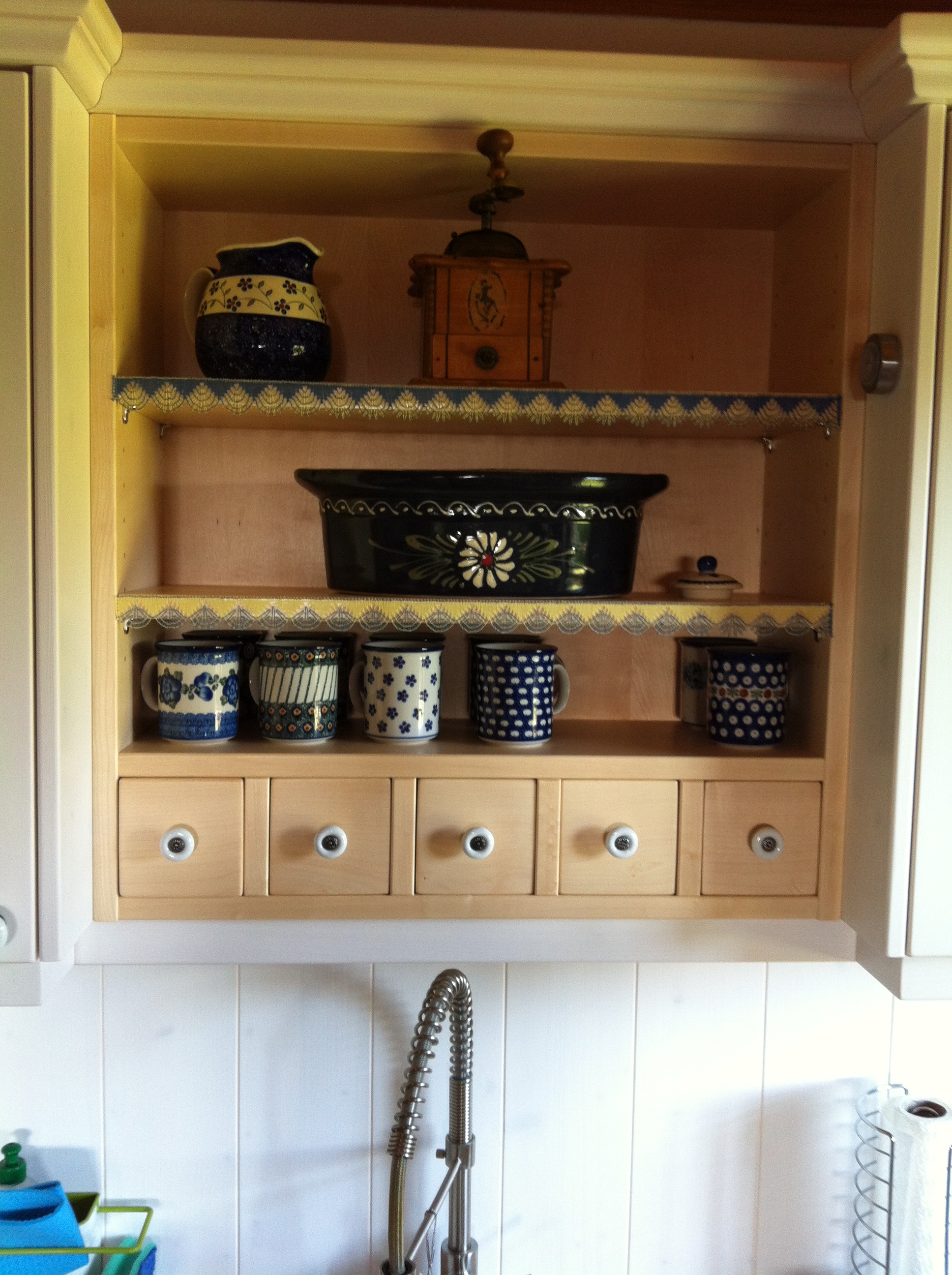
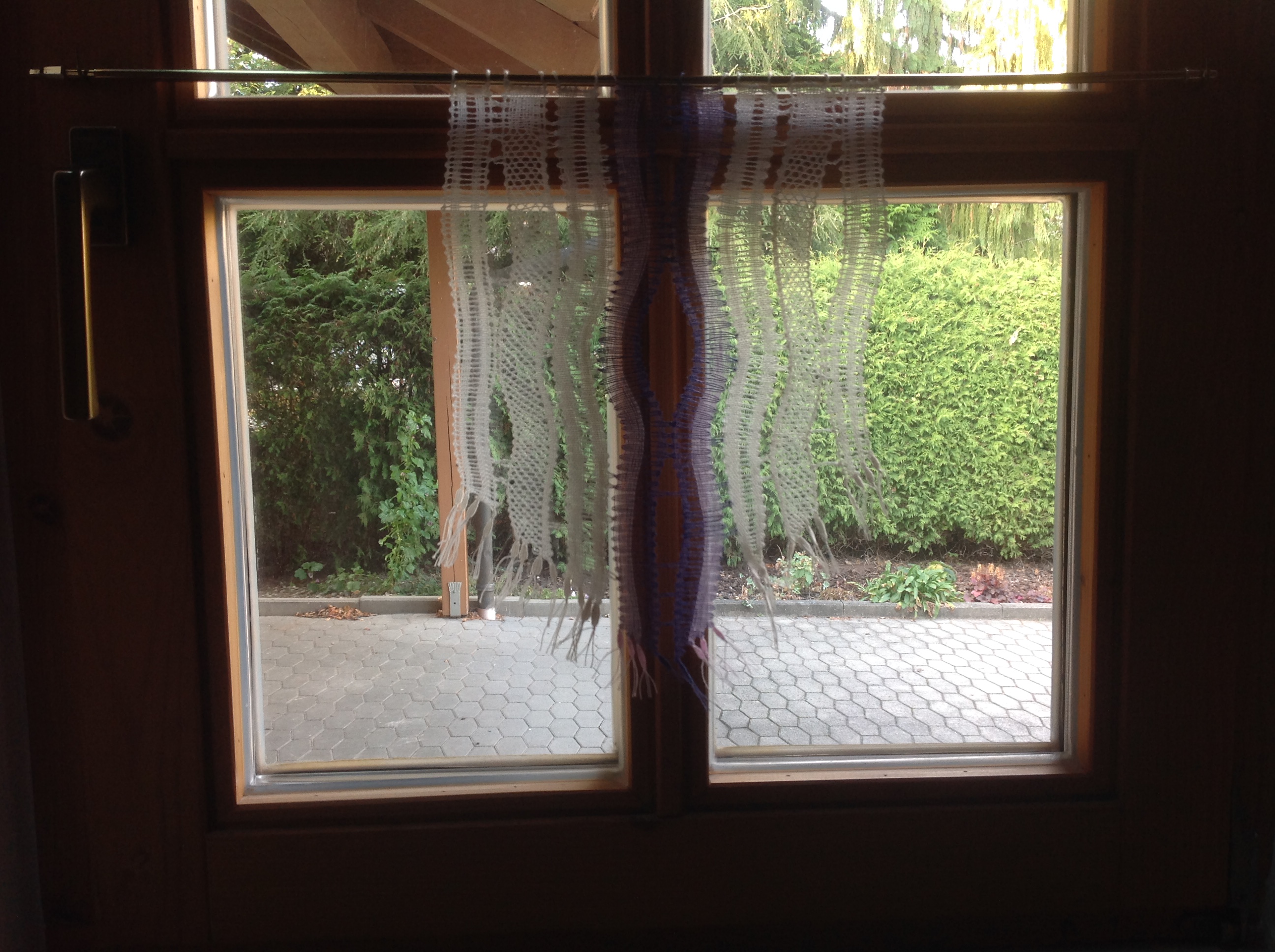
Other than curtains, I’ve used bobbin-lace as wall decorations, as added decoration to shelving, to spruce up a French Press cozy, as sheer curtains for windows, and of course to decorate pillow cushions. Because bobbin-lace takes a long time, you really have to dedicate yourself to a project. There have been projects that sat on my lace pillow for months without any progress. Like I said, it makes sense to stick to small-ish projects at first.

Clothing
This is one area I would like to focus more on in the future: adding bobbin-lace to clothing. If you have a piece of clothing that is kind of ho-hum, a stripe or border of bobbin-lace is perfect! There are a couple of things to keep in mind. First, if you are combining bobbin-lace with clothing, make sure that the lace thread is washable at the same temperature as the item of clothing! Second, you will want to treat your lace thread by getting it wet and allowing it to dry, especially with cotton or linen thread. Natural fiber threads tend to shrink when washed. You can get around some of these problems by using polyester threads (here in Germany, the go-to thread is Alterfil).
Picking the right design for the right piece of clothing is relatively easy. If you are looking to create a border around a collar or cuffs, keep in mind how you intend to sew the lace on to the fabric. Also, be mindful of the type of fabric. If there is a little stretch in the fabric (which is so often the case these days), you’ll want to accomodate for that.
The photo above is my first attempt: a racing stripe on the left and right sides of a tunic I have. I measured the length I wanted and then went through the various bobbin-lace books of patterns I have. I ended up using a Torchon lace from a book by Katharina Egger, first published in 1979. In fact, for this kind of appliqué, Torchon is probably the best choice.
 Claudia's Atelier